
A neurosomatic practice container for women who function well — yet rarely feel fully at ease.



Virtual sessions in English opening soon
〰️
Virtual sessions in English opening soon 〰️
Long-form, nervous-system-led practices for when you’re ready to stop preparing for life and actually inhabit the one you’re already in.
$30 PER IN-PERSON SESSION
A regulated, neurosomatic practice container
The Inner Space is an ongoing, held environment for nervous-system-led practice, grounded in neuroscience and shaped by trauma-informed principles. It is not a single class, technique, or therapeutic intervention.
Many people arrive here not because something is “wrong,” but because holding everything together has become quietly exhausting. Within this container, practice unfolds over time in ways that prioritize pacing, internal safety, and continuity rather than intensity or outcome.
This work is grounded in how the nervous system learns and adapts. Change does not come from catharsis, insight, or trying harder; it emerges through repeated, body-based experience as the system learns it no longer needs to stay on guard. Instead of adding more techniques to manage the body, this space creates the conditions where management can finally soften.
Often, it doesn’t look like something is wrong.
It looks like this:
When nothing is “wrong” — but nothing fully settles

You wake up already mentally online.
What’s today? What needs handling? What can’t be dropped?
Somewhere in the middle of that inner dialogue, you can’t remember if you replied to that important email — and you have a sense that something essential is missing from your list entirely.
You move through your day capable, functional, composed.
You follow your routines. You do what you’re supposed to do.
You show up for work, for people, for responsibility.
From the outside, you’re doing fine.
And the truth is, you’ve been doing fine for a long time.
Underneath it all, there’s a quiet hum of “on” that never fully turns off.
A low-level tension in the body. A shallow breath you don’t notice until you try to slow down. Like you’re always holding something together — even on days meant to feel easy.
You slow down, but you don’t soften.
You rest, but you don’t really let go.
You can pause your schedule, but your system never fully powers down.
Afterward comes the quiet guilt.
The subtle disappointment.
That sense of being out of integrity with what you know and what you want, without understanding why the gap won’t close. That sense of not fully belonging — to here, to this moment, to now, to aliveness.
So you adjust again.
You refine your routine. Create a better task list.
Add more of the “shoulds” you’ve been told are necessary to become the version of you you’ve been chasing. You tell yourself you just need to be more productive. More efficient. More optimized. You look for the next thing that might finally make it click.
And somehow, nothing reaches the place where the hum lives.
So the loop continues — staying busy, staying productive, holding your breath just a little — never quite landing in ease. But how can ease be available, if your body no longer remembers what ease feels like?
You’re not broken. And you’re not a problem that needs fixing.
The reason nothing has worked isn’t a lack of discipline or self-awareness. It’s that most approaches ask your thinking mind to manage a nervous system pattern. You understand your triggers, you’ve gathered tools, and you know what would be healthier. But when pressure rises, your body still tightens, your breath shortens, and your system prepares. That isn’t resistance. It’s conditioning.
Conditioning doesn’t change through insight or strategy. It changes through repeated, lived experience in conditions where the nervous system can safely downshift. Without those conditions, effort becomes the default regulator, and when effort regulates your system, it comes at a cost. Rest doesn’t fully restore, expansion feels heavier than it should, visibility requires bracing, and even joy is filtered through management. Life can function — but it rarely feels fully lived.
Why this space exists
We live under sustained pressure. Performance, comparison, and constant self-monitoring have become baseline conditions of everyday life. Many women adapt by becoming capable, self-aware, and resilient on the surface — functioning well, holding responsibility, and continuing on even when things feel tight.
Many of us turn to wellness or healing spaces seeking relief, and find ourselves slowly outsourcing our own wisdom, pacing, and self-agency — relying on external structures, techniques, or authorities to tell us when we’re safe, ready, or “doing wellness right.” As if the marker of a healthy life is someone else’s approval.
“Wellness” may come, insight may make sense — but without the conditions to hold it, it often doesn’t stay. For nervous systems already under strain, this outsourcing of your body’s own authority can quietly become another layer of effort rather than genuine support.
Most people don’t arrive here having done nothing.They arrive after trying a lot — and still sense that something hasn’t fully landed.
The Inner Space exists for people who function well, yet sense that something essential is missing because the conditions for real settling and integration have rarely been present.

Mariel L.
“In the busyness of everyday life, we forget how to simply be — and we stop paying attention to the small signals our body gives us. Being here felt like an oasis in the daily go-go-go. A place to remember how to listen to myself again.”
Where this work begins
This work begins with the nervous system, because it’s the one that allows change to be lived, not just understood.
Many wellness and healing spaces ask for higher-order functions — reflection, release, rewiring, intuition, expansion — without first establishing the physiological conditions that can support them. When safety, pacing, and capacity are missing, expansion may feel inspiring — but it rarely becomes sustainable.
Over time, this leads people to believe something is wrong with them — that they lack discipline, intuition, or consistency — when in reality the nervous system is doing exactly what it’s designed to do: protect against overload.
The Inner Space starts here — by restoring the physiological foundations that allow the nervous system to settle, reorganize, and experience presence as inhabitable again.
What becomes available over time
As nervous system regulation and capacity are restored, certain shifts tend to become available. These changes emerge gradually and without force, as your body no longer has to work against itself.
They are not goals to achieve or states to maintain. They are signals that the nervous system has more room to orient, respond, and participate in life with greater coherence — increasing your capacity for aliveness, joy, presence, and being in your body, in the moment, without outsourcing authority, pacing, or self-trust.
-
As internal safety becomes more familiar, presence no longer requires vigilance. Rest becomes accessible without collapse or guilt, and ease stops feeling like something that must be earned.
Presence without constant self-monitoring
→ You finish work and don’t immediately reach for your phone, your laptop, or the next task.
→ You notice there’s nothing you need to manage, optimize, or fix in that moment — and the quiet doesn’t feel wrong.Rest without guilt or shutdown
→ You’re resting, and your system doesn’t stay half-braced — subtly waiting for the next demand, interruption, or thing you should be doing.
→ Rest feels restorative rather than tense or fragile.Ease as a baseline rather than a reward
→ You move through your day without constantly checking how you’re doing, how you’re coming across, or whether you’re “using your time well enough.”
→ Ease is present before everything is finished — not something you earn at the end of the list.
→ Over time, presence stops feeling like an effort — and ease becomes a baseline, not a reward. -
As capacity grows, clarity follows. Decisions feel cleaner, boundaries become felt rather than negotiated, and guidance comes increasingly from internal signals rather than external authority.
Clearer choices with less second-guessing or override
→ You make a decision and don’t replay it for hours afterward.
→ There’s no compulsive re-evaluating, no internal courtroom trying to prove you were right or wrong — the choice simply feels settled.Felt, embodied boundaries rather than managed ones
→ You notice when something is too much before you’re depleted or resentful.
→ You say no — or adjust — without over-explaining, rehearsing, or needing permission. The boundary comes from a bodily “enough,” not a mental strategy.Embodied self-leadership rooted in internal cues
→ You trust your pacing without constantly checking against advice, timelines, or what others are doing.
→When something doesn’t feel aligned, you notice it early — and respond — instead of pushing through and dealing with the fallout later.
→ Over time, guidance stops coming from urgency, comparison, or self-doubt — and starts coming from a steady internal signal you recognize as your own. -
With greater capacity, expansion no longer registers as threat. Creativity, visibility, and growth become available without urgency, collapse, or self-sabotage — and change becomes something that can be lived, not just initiated.
Sustainable creativity without pressure
→ You show up to your work without needing a rush of urgency to get started.
→ Creation comes from steadiness rather than adrenaline — and you don’t burn out right after a productive streak.Capacity for expansion without self-sabotage
→ Opportunities arise — visibility, responsibility, growth — and instead of tightening, disappearing, or unconsciously creating obstacles, your system can stay with them.
→ You don’t have to shrink, overprepare, or undo progress to feel safe again.Lasting change rather than momentary relief
→ Progress doesn’t come in dramatic bursts followed by crashes.
→ What shifts is how your life actually feels over time — your days stabilize, decisions stick, and growth no longer requires recovery afterward.
→ Expansion stops feeling like something you have to survive. It becomes something your system can hold.
Many of these shifts are quiet. They don’t arrive as peak experiences, but as reduced self-management, fewer internal negotiations, and an easier ability to stay with what’s happening.
Progress here is measured less by what you feel during a session, and more by how little you have to push yourself in the days that follow.
How this space is held
This space is held through a small set of principles that guide pacing, structure, and relational safety. The result is a space where you can show up as you are, and let your system settle on its own timeline.
-
Nervous system responses are treated as signals, not shortcomings.
-
Participation is invitational. Choice, pacing, and stepping back are respected.
-
There is no pressure to share, perform insight, or reach emotional intensity.
-
There is no timeline to meet and no depth to reach.
-
Nothing here is trying to improve you. Change emerges through stability.
-
There is no emotional mining, analysis, or pressure to explain yourself.
-
This is not a guru-led or dependency-based space. Guidance is offered through structure, pacing, and attunement — not authority over your inner experience.

The practice environment
Environment is not neutral to the nervous system.
When stimulation is reduced, decisions are minimized, and expectations are clear, the body no longer has to stay on alert. Settling becomes available without effort — and presence stops feeling like something you have to work for.
This is what allows The Inner Space to function as a true practice container, rather than just a place where practices happen. Because of this, the environment is treated as part of the work — not a backdrop.
The Inner Space is currently held in person in Panama City, Panama, in Spanish.
Virtual formats will be introduced soon and will be offered in English.
While the medium and language may change, the way the space is held does not.
Care, containment, and nervous system safety remain constant.
Below is how that currently takes shape.
Jitzel G.
“Being here feels like real self-care. Like choosing a pace and rhythm that doesn’t keep my system on edge. I’m moving through situations that used to feel heavy with a level of ease my nervous system wasn’t used to.”
The in-person practice environment
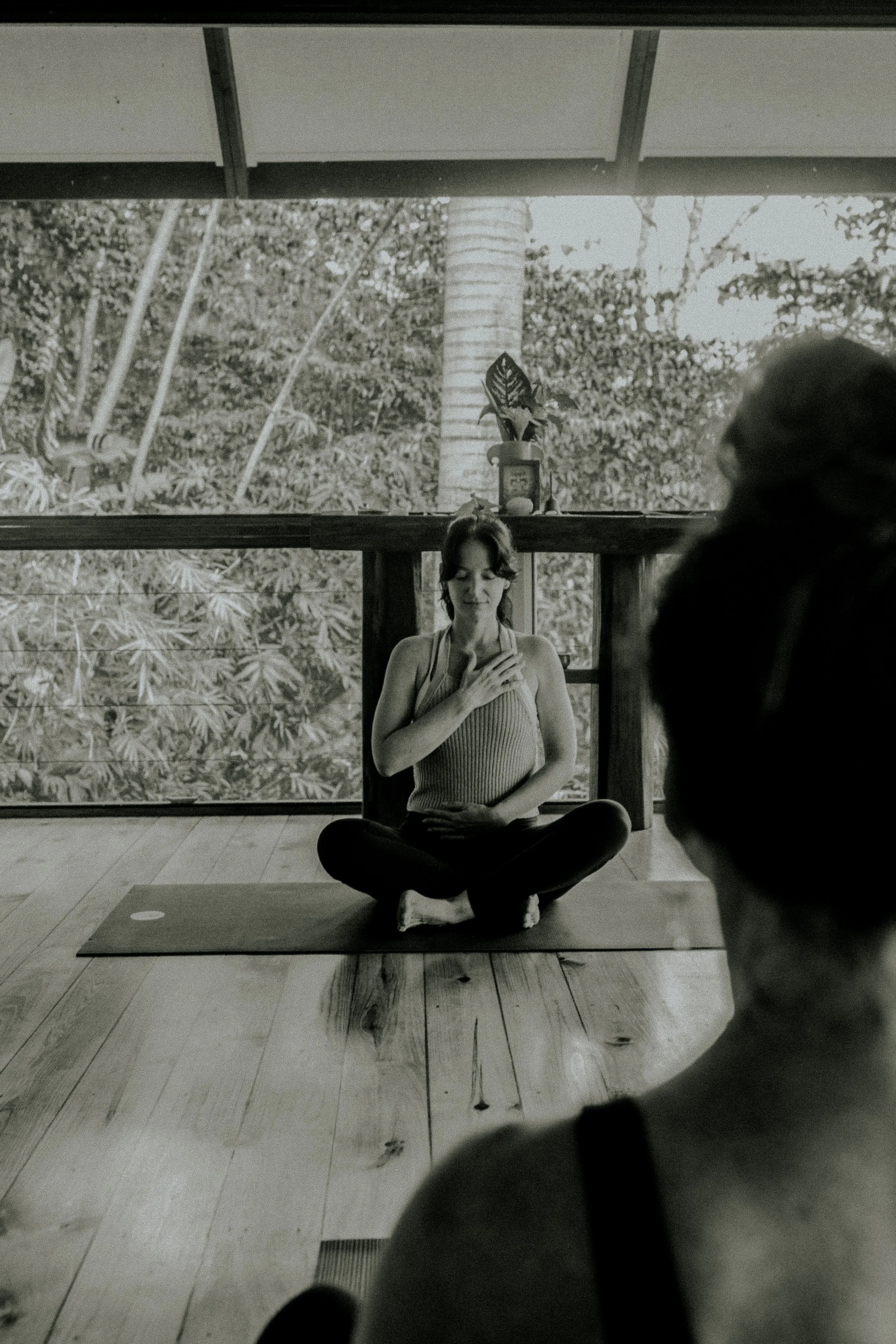
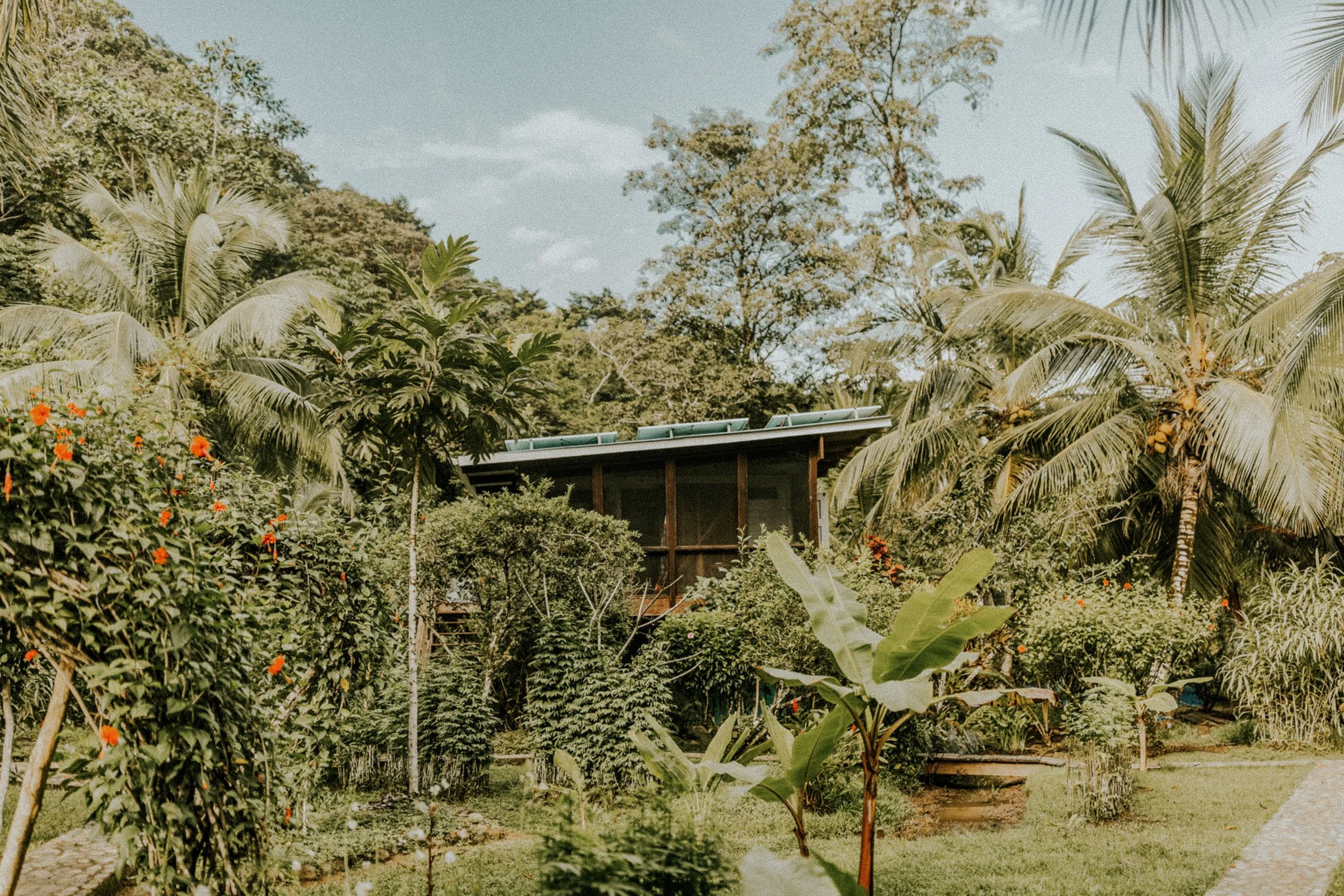
The Inner Space is held inside Silvática, a wellbeing space and flower studio in Panama. From the moment you arrive, the environment is set up to reduce stimulation and support settling.
-
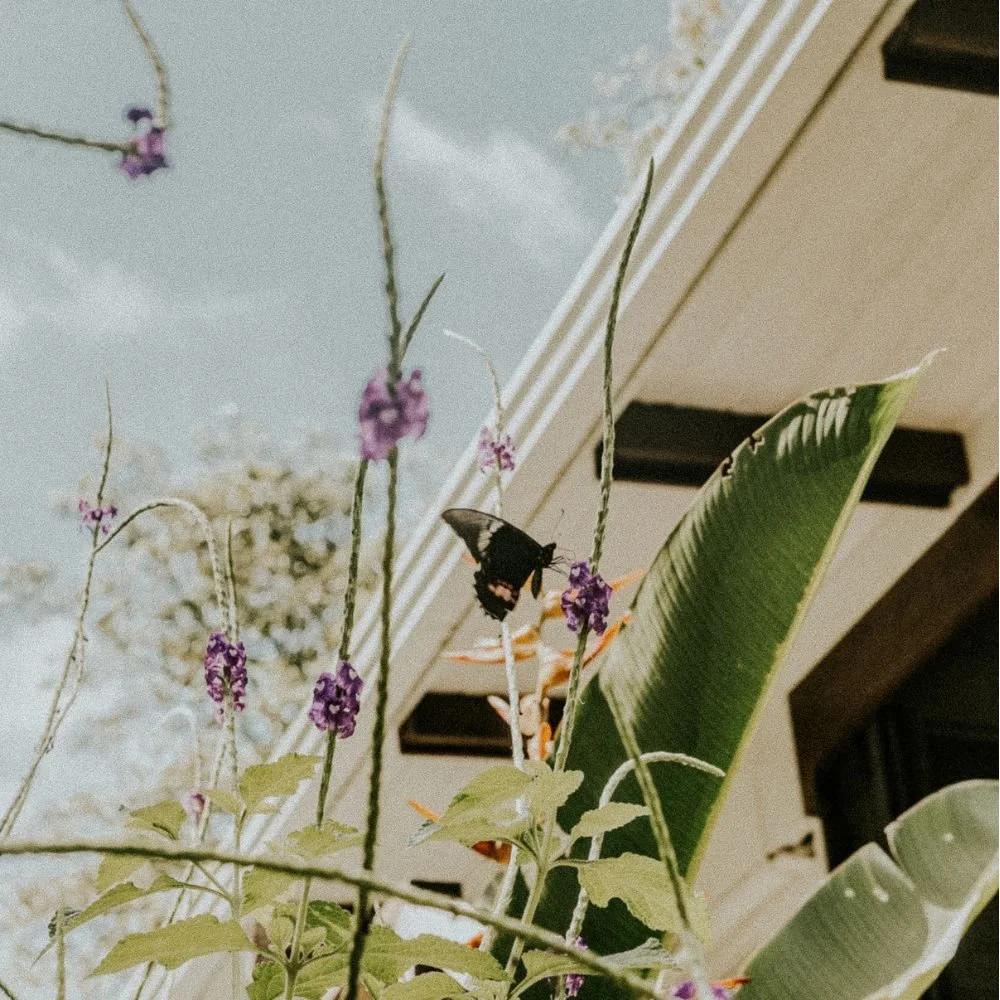
You enter through plants, natural light, and stillness, into a room that already feels settled. The practice space opens onto a garden, with greenery remaining in view throughout the session. Visual simplicity and continuity are prioritized so attention can soften rather than orient outward.
-
Everything you need is prepared in advance. Mats, bolsters, blocks, and blankets are set up before you arrive. There is nothing to organize, adjust, or optimize. The body is not asked to make decisions before it has settled.
-
Sound and scent are used sparingly and with intention. Music is steady and low-arousal, selected to support consistency rather than emotional activation. A subtle essential oil blend is present as a familiar sensory cue, supporting ease through repetition rather than intervention.
-
There is no recording, documentation, or content capture. What happens is not observed, shared, or revisited later. The practice belongs to the room, the moment, and the people present.
-
Nothing is required beyond showing up. Stillness, neutrality, and subtle sensation are welcome. There is no expectation to feel a certain way or to experience anything in particular.
The virtual environment
Virtual practices within The Inner Space will be introduced soon.
While the format will differ, the experience will be held with the same principles that guide the in-person space: care, pacing, containment, and nervous system safety.
Virtual sessions are designed for people who want to practice from home without sacrificing the steadiness, clarity, and non-performative quality of the container.
When these offerings are ready, full details — including structure, timing, and how to participate — will be shared clearly. If you’d like to be notified when virtual sessions open, you can sign up here to receive updates.
Why I hold this space
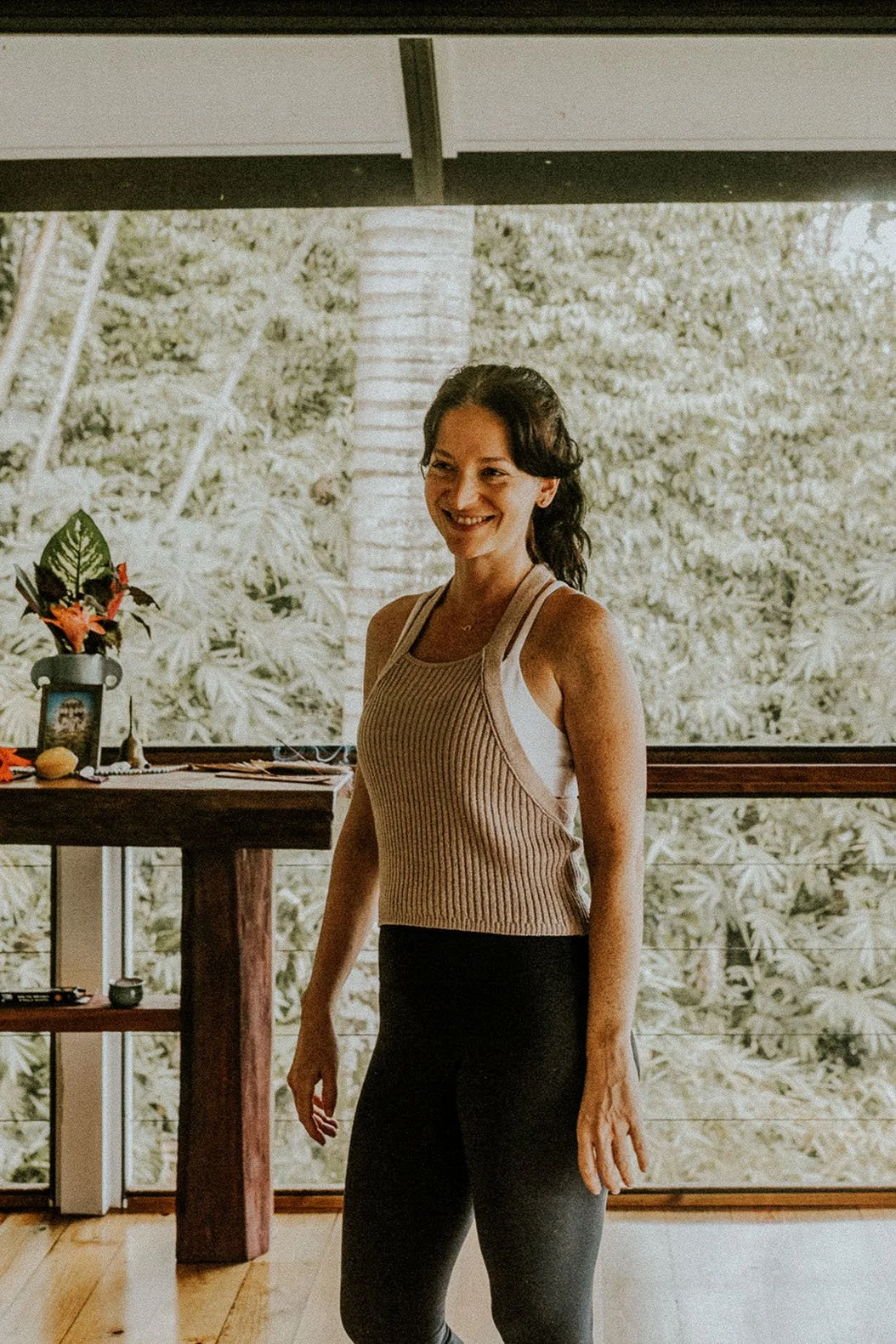
I’m Virginia, a trauma-informed neurosomatic guide grounded in nervous system science and embodied practice. My role is not to fix or direct, but to work with people in ways that respect nervous system pacing, capacity, and consent — whether in shared practice spaces or more individualized work.
I came to this work after reaching a question many capable, high-functioning people eventually encounter:
If I’m doing everything “right,” why doesn’t it feel good?
That question led me to leave a conventional career and spend years in self-development and healing spaces. Yet even there, I found myself repeating familiar patterns — striving, over-efforting, and subtly performing “healing” rather than inhabiting it.
Nervous system science was the missing piece. It clarified that the issue wasn’t a lack of discipline or self-awareness, but a system trained to associate safety with performance. Without sufficient regulation and capacity, insight doesn’t integrate — it simply loops.
The Inner Space grew from that understanding. It is held slowly and with restraint, so safety can be experienced as something lived rather than conceptual. This work is guided, not imposed. Structure and attunement are offered while autonomy remains central. Dependency is not cultivated — capacity is.
Jitzel G.
“What makes these sessions especially powerful is the way Virginia guides them. Her prompts feel precise and grounded — there are no wasted words.”
Current Practices at The Inner Space
Different nervous systems need different kinds of training.
The practices within The Inner Space are not organized by level, depth, importance, or stage of healing. They are organized by what the nervous system is being trained to do.
These practices are long-form, in-person, and grounded in the same neurosomatic principles. They are designed to be returned to over time — as part of an ongoing relationship with one’s body, not as one-time interventions.
What differs is the type of demand they place on attention, pacing, and internal sensing.

Healing Flow Sessions
The Inner Space’s signature practice.
A long-form practice that teaches your nervous system it’s safe to be present in your life — so life no longer feels like something you’re constantly chasing after.
Training sustainable pacing and capacity
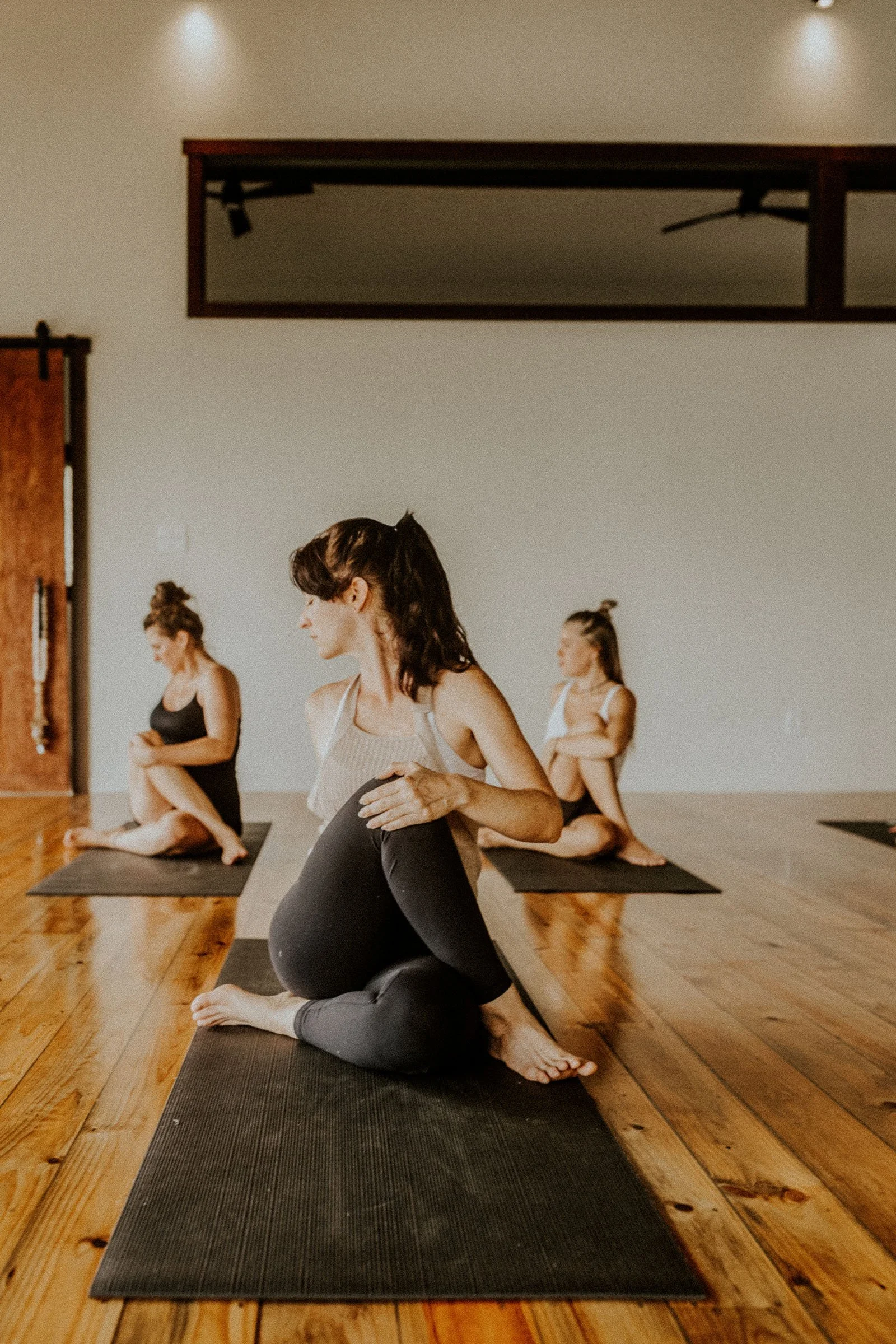
Healing Flow is the foundational practice within The Inner Space. It embodies the core principles of this container — pacing, continuity, and nervous system safety — experienced through the body, over time.
It trains the nervous system to move at a pace it can actually sustain. This is especially supportive for people who are highly capable, responsive, and accustomed to holding a lot, often without realizing how much internal pressure is involved.
Movement is slow, minimal, and invitational. The emphasis is not on feeling more, understanding more, or doing things correctly, but on repeatedly experiencing that it is safe to slow down, pause, stop, and choose how much to engage.
Healing Flow often becomes a regular anchor for people who want to live, work, and decide without chronic override.
Discernment
-
The Inner Space is for people who function well — and are tired of managing their lives instead of living them.
It tends to resonate with those who:
hold a lot of responsibility and competence, yet live with a persistent sense of internal vigilance
have done personal growth, healing, or self-inquiry, and still feel effortful, braced, or subtly“on”
notice that rest doesn’t fully restore them, and that slowing down can feel unfamiliar or unsafe
sense a gap between what they know is true and what they are actually able to live from
feel themselves adapting, containing, or hiding parts of who they are in order to function smoothly
recognize recurring patterns they understand cognitively, but haven’t been able to shift at a bodily level
know they have more capacity, expression, or potential than they are currently able to inhabit — and notice subtle forms of self-sabotage, hesitation, or withdrawal when expansion is available
are drawn to nervous system–led work not as a technique, but as a foundation
value slowness, structure, and environments that don’t require performance
want support that strengthens internal authority rather than replacing it
This space often speaks to people who are no longer interested in fixing themselves or optimizing their lives, but are aware that something in their system still limits how fully they can show up — even when they know what they want, and why it matters.
Whether through shared practice or ongoing support, the orientation remains the same: pacing before pressure, capacity before change.
-
The Inner Space may not be the right fit for those who are seeking:
fast transformation, catharsis, or peak emotional experiences
intense, high-stimulation practices as a primary way of feeling regulated
a guru, authority figure, or someone to tell them who to be or what to realize
performative wellness or spiritual spaces built around intensity, identity, or display
a growing collection of techniques, hacks, or methods to manage themselves better
approaches that rely on urgency, pushing past limits, or emotional mining
a prescriptive framework or belief system to adopt
This work is not about accumulating more practices or gaining control over the nervous system.
It is about creating the conditions for safety, coherence, and sustainable capacity — even when that means doing less, moving slower, and staying with what is already here.
Orientation
These questions are here to help you orient, understand the nature of the space, and sense whether this feels like a supportive next step for you.
-
The Inner Space is a practice container — not a single modality, class, or program.
It holds trauma-informed, neurosomatic practices designed to support nervous system regulation and capacity over time, through pacing, repetition, and embodied learning.
Different practices may live inside this container, but they are not added for variety or novelty. Each practice is intentionally designed and curated to support a specific function of the nervous system — so the work remains coherent, integrated, and supportive rather than overwhelming.
What stays consistent is how the space is held: consent, pacing, continuity, and nervous system safety — without performance or pressure.
-
No.
It is not therapy: there is no diagnosis, trauma narration, treatment planning, or verbal processing of personal history.
It is not coaching: there are no goals, strategies, or accountability structures.
It is not yoga: while some sessions may include slow, yoga-informed movement, there is no focus on postures, alignment, progression, flexibility, or performance. Movement is used as a support for nervous system safety and agency — not as exercise or achievement.
It is not meditation in the traditional sense: you’re not asked to concentrate, visualize, control thoughts, or “do it right.”
This is a space for guided neurosomatic practices grounded in nervous system science and trauma-informed principles. Within this container, you learn to stay with sensation, internal cues, and shifting nervous system states in ways that build safety, expand capacity, and restore choice — without emotional mining, forced intensity, or pressure to process.
Some people come alongside therapy. Others come before deeper emotional work. In all cases, the role stays the same: creating the conditions where change can be lived in the body, not just understood.
-
Very little. You’re invited to come exactly as you are.
You are not required to:
talk or share
explain your experience
feel a certain way
“do it right”
perform insight or emotion
You’re free to move, pause, or remain still within the structure of each practice. Consent, pacing, and internal cues matter more than effort.
-
Yes. In fact, many people arrive here because they function well.
This space is for the quiet strain underneath competence: the internal bracing, the constant self-monitoring, the sense that rest doesn’t fully restore, or that life is being managed more than inhabited.
You don’t have to be falling apart to need a space that helps your system stop living on alert — and start inhabiting life again.
-
Change here is nervous system learning, not a moment.
The nervous system updates through what it experiences consistently over time — especially when the conditions are paced, non-coercive, and repeatable.
That’s why this container prioritizes continuity and structure over catharsis. The goal isn’t a peak experience. It’s a different baseline — one your system can actually live from.
-
No — but it is a foundational place to begin.
The Inner Space offers something many nervous systems haven’t had: a consistent, low-demand environment where the body can experience settling without effort, urgency, or self-management.
This matters because nervous system change doesn’t start with insight or strategy — it starts with lived experience. Long-form, repeated practice gives the system enough time and predictability to learn that it no longer has to stay on alert.
That learning becomes the ground from which everything else can actually integrate.
Practices alone are not the whole journey. Nervous systems also adapt through how life is structured — rest, stimulation load, pacing, nourishment, movement, and relational safety.
This is why The Inner Space functions as both:
a place to begin rebuilding capacity, and
a steady foundation that supports more specific, individualized guidance.
That guidance is part of this body of work and will be offered separately. It builds on what practice makes possible — helping nervous system learning translate into lived change.
You don’t start here because it’s “enough.”
You start here because it makes the rest sustainable. -
Think of this work as layered.
Short-form tools can help shift your state in the moment — useful when life is happening and you need immediate support.
Long-form practice does something different. It gives the nervous system enough time, continuity, and predictability to settle beyond surface regulation. Through repetition, the body learns that presence, slowness, and choice are not threats — which supports capacity building over time.
The Inner Space begins with long-form practice because it establishes shared conditions: pacing, containment, and consistency. These conditions make it easier for other forms of support — whether tools, insight, or guidance — to be received without effort or override.
In the same way we don’t strength-train or build endurance once and expect lifelong stability, nervous system capacity is built through steady, non-dramatic practice — not urgency or fixes.
This practice container stands on its own. It also supports more individualized guidance, which will be offered soon, by creating a common physiological ground — so deeper or more specific work doesn’t have to compensate for a system that’s already overextended.
Nothing here is rushed.
Nothing is stacked prematurely.
Capacity is built through lived experience and integration — not through doing more. -
Stay Oriented, Without Pressure
If you’d like to stay informed without direct contact or engagement, you’re welcome to join The Inner Space WhatsApp channel (Spanish).
This channel is used exclusively for practical updates related to in-person practices in Panama. Communication is one-way and limited to session announcements and essential logistical information. There is no discussion, no content stream, and no expectation to respond or participate in any way.
It’s simply a quiet way to stay oriented — without pressure, performance, or ongoing engagement.
→ Join The Inner Space WhatsApp channel (Spanish)Looking ahead, a Global (English) WhatsApp channel will open once virtual offerings become available. If you’d like to be notified when that channel launches, you can opt in to receive that update.
Reach Out Directly
If you have questions, want help orienting, or feel ready to book an in-person practice, you’re welcome to contact me directly via WhatsApp.This can be a space to clarify what’s currently being offered, sense whether The Inner Space feels supportive for you right now, or arrange a session if and when it feels aligned.
There’s no pressure to decide and no expectation to commit.
→ Contact via WhatsAppOrientation comes first.
The next step doesn’t need certainty — just honesty.

How to stay informed
If you’d like to receive updates about upcoming practices, you can join The Inner Space WhatsApp channel.
The channel is one-way communication only. I’m the only one who posts there, and it’s used solely for session announcements and essential practical information. There is no discussion, no content stream, and no expectation to engage or respond.
This channel is currently in Spanish. A global English channel will open when virtual practices become available.
This is the simplest way to stay informed without needing to initiate contact.
How to move forward
The Inner Space is not entered through urgency or pressure. It’s entered through orientation.
If you feel drawn to this work, you don’t need to be certain or ready to commit. You’re welcome to reach out simply to sense whether this space feels supportive for you right now. We can clarify where you are, what’s available, and what might be most aligned — without expectation or pressure to decide.